
Why Clinic Design Matters as Much as the Equipment You Choose
Anyone can deliver equipment. Not everyone designs a clinic.
In physical therapy, the way a space is planned directly impacts patient flow, safety, staff efficiency, and long-term performance. From how patients move through treatment zones to how therapists transition between sessions, clinic design plays a critical role in outcomes—not just how the space looks.
At PTOT Services, we specialize exclusively in physical therapy environments, helping clinics plan and place equipment intentionally so their spaces function better from day one.
Design Is a Clinical Advantage, Not an Afterthought
Physical therapy clinics are active, constantly moving environments. Patients progress through multiple phases of care, therapists manage overlapping treatment plans, and equipment must support a wide range of functional goals.
When equipment is selected and placed with intent, clinics benefit from safer patient movement, clearer pathways, improved therapist efficiency, and better use of available square footage. This approach also allows clinics to adapt more easily as patient volumes and services evolve.
Cardio Equipment Supports Endurance and Early Mobility
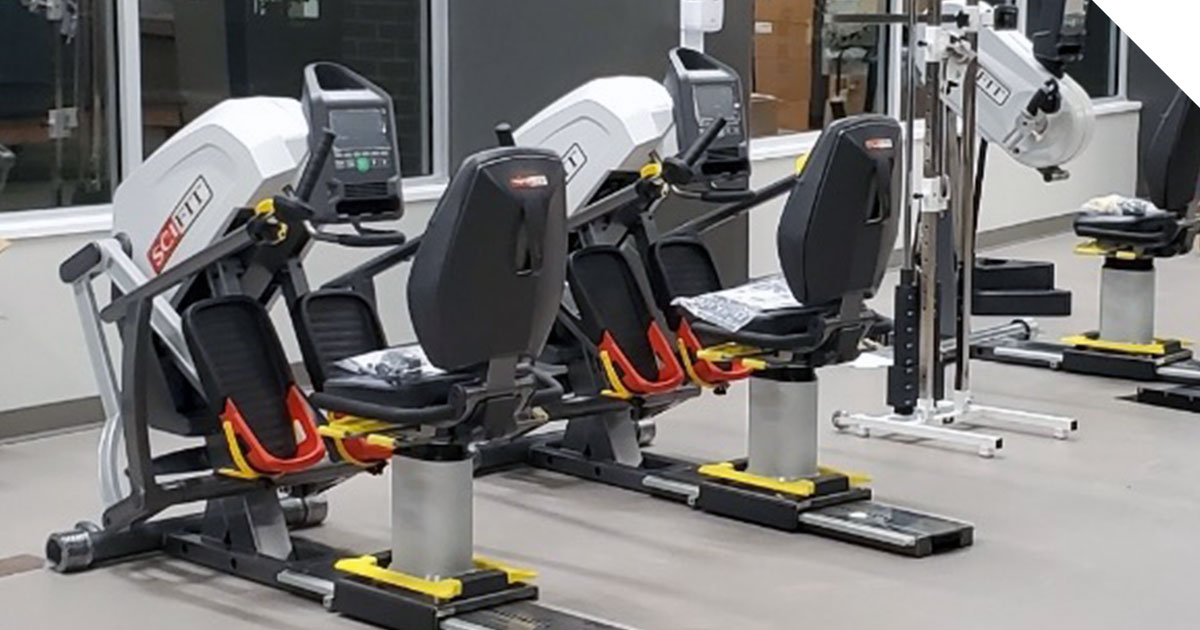
Cardio equipment plays an important role in conditioning, endurance training, and early-stage mobility. When integrated into a clinic layout correctly, cardio zones allow patients to warm up safely and build stamina before progressing into functional therapy work.
Thoughtful placement ensures cardio equipment supports therapy goals without interrupting patient flow or congesting treatment areas.
Parallel Bars Create a Foundation for Gait Training
Parallel bars remain one of the most essential tools in physical therapy, providing controlled support for patients relearning balance, posture, and walking mechanics. When integrated into a well-planned gait zone, parallel bars allow therapists to transition patients naturally from supported movement to more independent ambulation.
Clinics that prioritize dedicated gait areas often rely on parallel bars designed specifically for physical therapy environments to support consistent, repeatable training and safe progression.
Modalities Support Recovery Without Disrupting Flow
Modalities play a supporting role in rehabilitation by helping manage pain, inflammation, and muscle activation. Their effectiveness depends not only on the technology itself, but on how and where it’s used within the clinic.
Designing treatment zones that accommodate physical therapy modalities without interrupting patient circulation helps maintain efficiency while keeping therapy sessions focused and comfortable.
Mat Tables Anchor Hands-On Therapy
Mat tables are a foundational element of nearly every physical therapy clinic, supporting manual therapy, stretching, and early mobility work. They often serve as transition points between assisted treatment and functional movement.
Proper spacing and orientation of physical therapy mat tables allows therapists to move freely around each patient while preserving privacy, comfort, and workflow efficiency.
Patient Lifts Improve Safety for Patients and Staff
Patient lifts play a critical role in protecting both patients and clinicians during transfers and mobility training. They allow clinics to safely serve individuals with limited mobility while reducing physical strain and injury risk for staff.
When patient lift systems are planned into the layout from the start, they become a seamless part of daily operations rather than an obstacle or afterthought.
Reformers Support Controlled Strength and Stability Training
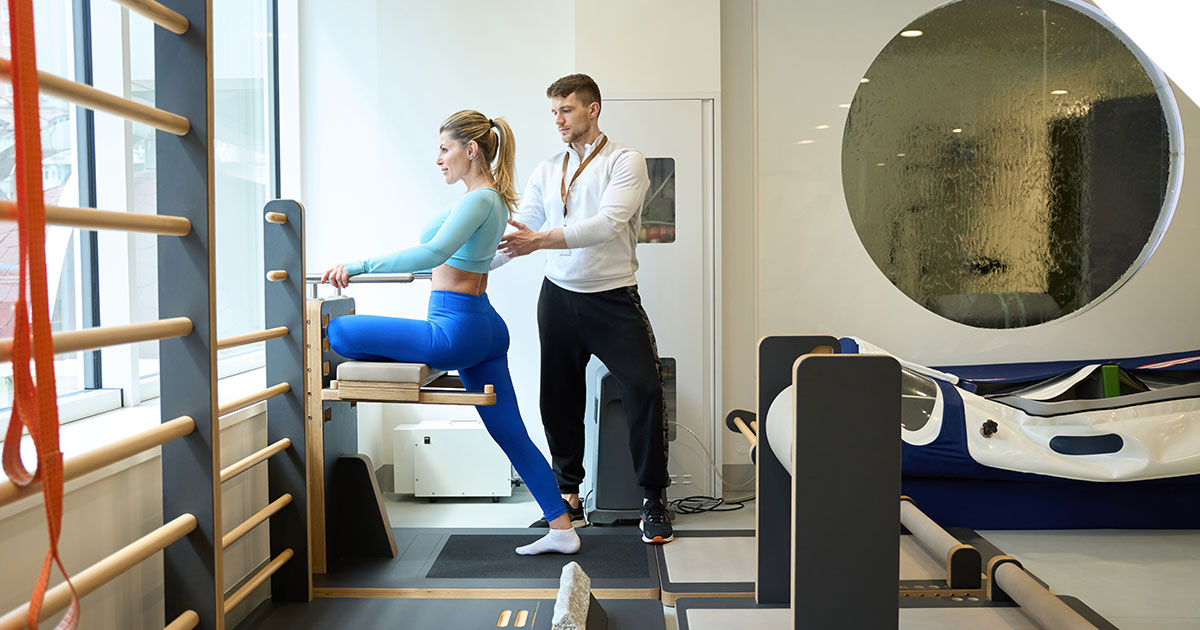
Reformers provide controlled resistance training that supports core strength, balance, and functional movement progression. These systems benefit from dedicated space that allows full range of motion and therapist access from multiple angles.
In many clinics, rehabilitation reformers complement balance and gait training by bridging the gap between supported movement and real-world function.
Hand Tables Enable Focused Upper Extremity Rehabilitation
Hand tables support fine motor skill development, dexterity training, and upper extremity rehabilitation. These stations are often placed in quieter areas of the clinic to support focused, detailed therapy work.
Well-planned hand therapy tables help maintain efficiency while giving patients the space they need to concentrate on precision movements.
Staircases Build Real-World Confidence
Training stairs are one of the most impactful tools for functional rehabilitation, helping patients rebuild strength, balance, and confidence navigating elevation changes they encounter every day.
When integrated into gait and balance zones, physical therapy staircases allow therapists to progress patients through realistic movement patterns that translate directly to life outside the clinic.
From Empty Rooms to Fully Functioning Therapy Spaces
Designing a physical therapy clinic requires more than selecting equipment. It requires understanding how patients move, how therapists work, and how each piece of equipment supports the overall care experience.
PTOT Services works with clinics to plan layouts, select equipment, coordinate delivery and installation, and provide ongoing service and support—ensuring therapy spaces function efficiently from day one and continue to perform over time.